Monday, February 13, 2012

Wedding Dress Styles: Part V


The Mermaid Dress
The mermaid silhouette contours to the body from the chest to the knee, then flares out to the hem. This is a very sexy look that highlights the curves of a woman’s body. For this reason, you must be confident and comfortable in your skin to pull off this dramatic style.


Structure: 
The mermaid style can support just about all necklines and sleeve lengths to reveal or cover as much skin as you desire. Since this dress is captivating by design, a high neck and long sleeves will still create an alluring look without being too sexy. If you want to show off your skin, you can opt for a strapless neckline, or a halter with a plunging v-neck to accentuate your seductive side. The look of the mermaid dress is influenced by the various skirt styles available. The skirt can flare out above the knee, at the knee, or below the knee for slightly different silhouettes. The shape of the skirt and the hem can also affect how the dress looks. A round skirt provides volume all the way around the lower part of the bride, whereas a trumpet flare creates volume that flows out behind the bride. There is also a flamenco flare that gathers the lower part of the dress in the front for a Spanish feel.


Gown Enhancers:
A big go-to currently for a special flare to the mermaid gown is poof! Enlarged fabric flowers, layers upon layers of taffeta, out of this world layering... every one defines the volume at the flare of the gown. The rest of the dress can be as dramatic or as simple as you choose. Most brides like to keep the top of the gown simple and let her curves and the dress' flare do the work for her.


Fabrics:
The mermaid dress can either be slinky or highly constructed, depending on the fabric it is made from. If you want a slip style dress that lightly hugs the curves of your body, light-weight silks and satin are the best choices. Stiff fabrics, however, will draw attention to the construction and dramatic shape of the dress. Either way, the mermaid style evokes images of sophistication and sex-appeal, whether it is worn at a casual beach wedding, or a formal evening affair.


Body Types: The mermaid cut is not for everyone. This daring design is best worn by slender figures, both short and tall. Since the mermaid dress is made to hug the body and show every curve, it is not well suited for those brides with full figures. However, if you are on the voluptuous side and want to accentuate your curves, this is the perfect dress for you. The most important thing to keep in mind when considering a mermaid style dress is whether or not you will feel comfortable wearing it on your big day. You may have a flawless figure perfect for this type of dress, but if you do not feel confident in it, it is not worth choosing.


Caution!: Clingy slip dress such as the mermaid often reveal embarrassing underwear lines. These lines not only reveal what you are wearing under the dress, but also take away from the elegance of your overall look. It is important to keep this in mind when considering a tight fitting or body hugging dress since it may restrict what items you are actually able to wear underneath the dress. The last thing a bride needs on her big day is an underwear mistake!


I hope you have all enjoyed the ins and outs of wedding dress styles! Check back later as we delve into the specifications for our sexy men!


xoxo

Katherine

Sunday, February 12, 2012

Wedding Dress Styles: Part IV


The Ball Gown Dress

Every girl at one point or another has dreamed of the "fairy tale wedding". The handsome prince (or princess!) charming, the singing forest creatures, and of course, the gorgeous full length ball gown dress. The ball gown style is perfect for those brides envisioning a fairy tale wedding. This silhouette pairs a fitted bodice with a full skirt that can either be one piece or separates. The ball gown is most appropriate for large, traditional weddings where the dress will be consistent with the formality of the event.

Structure:
Much like the A-line dress, the ball gown can support many different necklines and sleeve lengths. Various combinations of these elements create many different looks for many different occasions. If you are having a very formal or traditional wedding where you are expected to be covered, choosing a ball gown with a portrait neck and long sleeves will keep you covered but also show your femininity. You can achieve a dramatic effect by choosing a strapless ball gown and pairing it with opera length gloves. If you want a simple yet elegant look, you can go with a sleeveless, scooped neck bodice that flows all the way to the ground.


Fabrics:
The ball gown can showcase a number of fabric choices that highlight different aspects of the dress. The use of satin or a chiffon overlay creates a very elegant and traditional silhouette. Intricate beading or lace work on the bodice, paired with a simple satin skirt will draw attention to the upper body. Light and fluffy layers on the skirt will help to create a floating effect. The volume of the ball gown can be achieved in a number of ways.  The skirt may require a petticoat or crinoline to support its structure. Layering fabric, such as organza, taffeta, or tulle, can also create this effect.


Gown Enhancements: 
I love the idea of a long train. They are the perfect addition to this specific style of dress.  Trains work perfectly with the ball gown since the substantial structure of the skirt can balance the weight of a train. Whether you want the long theatrical presence of a cathedral length train or the subdued look of a brush length train, the ball gown can accommodate this traditional feature.


Body Types:
While this style can accommodate most body types, the ball gown is ideal for slender or pear-shaped figures as the full skirt helps to accentuate the waist and hide the lower body. If you have a large bust, this style will help to create the hourglass look since it emphasizes the waistline due to the fitted bodice and natural or dropped waist.


Warning! The volume of the ball gown can create false and unwanted illusions. Be careful if you are on the shorter side since you may not have the height to balance the size of the skirt. Also, instead of complimenting the figure of a full-breasted bride, the skirt could actually cause her to look larger. Keep these factors in mind when considering a ball gown, and remember that an A-line or princess cut dress can be more flattering while still providing the desired effect.


xoxo 

Katherine

Friday, February 10, 2012

Wedding Dress Styles: Part III

The Column Dress

The column dress has a narrow shape that flows straight down from the neckline to the hem. This dress, also referred to as a sheath, tends to hug the body and show any and all curves you may have. The column is appropriate for all types of weddings, especially causal occasions on the beach, or intimate evening events at a banquet hall.

Structure: 

The column style is simplistic, but there are many ways to customize the overall appearance of the dress. Mixing various necklines and sleeve lengths will create a range of different looks around the gown's basic cut. A strapless column dress will look sexy and elegant, while one with a bateau neck and long, bell sleeves will look more romantic and whimsical. The column silhouette works well with many different skirt lengths. Basically, the options are pretty much limitless!


Fabrics:

The other major factor in the construction of the column dress is the fabric. Simply changing the material choice for this style can take the same dress from a slinky slip dress to highly constructed dramatic statement. If you prefer a slip dress, you should look for fabrics that can flow easily over the contours of your body, like light silks and satin. Heavier fabrics that can maintain shape, like damask or peau de soie silk, will give the dress a defined contour that will withstand movement.


Gown Enhancers: 

Beading and lace sheaths are gorgeous additions to this style of dress. Because the style is so form fitting, the addition of design work gives it a little extra "umph".  Women with more boxy figures that do not have natural curves may consider accenting the waistline with a separate bodice or sash to create the illusion of a defined waist.


Body Types: 

Similar to the mermaid style, the column dress is best worn by lean figures, both short and tall. The elongating nature of this design will help petite brides appear taller. However, the column dress does not allow much room for hiding problem areas, such as a larger lower body. It can conceal minor flaws if you opt for a constructed column that will stay in place, but the slip style will be unforgiving.


Be Warned: Body hugging designs such as the column dress can constrict your movement, including the ability to sit and dance as comfortably as you would wish on your big day.  If you want a highly-constructed column dress, you may consider one that has pleats or gathering in the back that will allow you to move more freely.


Happy dress hunting!

xoxo

Katherine

Thursday, February 9, 2012

Wedding Dress Styles: Part II


The Empire Dress

An empire dress is defined by the raised waistline that sits just below the bust, from which the rest of the dress flows down to the hem. This style is usually paired with a square neckline and wide set straps or sleeves. Like the A-line, the empire style is very versatile and can accommodate a wide range of formality. The dress can be full length, tea length, or cocktail length.


Structure: 
Since the empire dress is primarily defined by the placement of the waistline, there are many other design options that contribute to the overall look of the dress. Sleeve length on an empire dress can range from long, bell sleeves (perfect for a Renaissance wedding), to a sleek, sleeveless design (perfect for an outdoor summer affair). Skirt style is another important variable on the empire cut, as it can flow freely or contour to your body, depending on the silhouette you want to create.


Fabrics: 
Lighter fabrics work best on empire dresses because they allow for the most movement and flow from the waistline. Layering silk chiffon over a base fabric will create a romantic effect, especially if the layers are tiered or arranged in a petal style that gently overlaps in the front (floral inspiration anyone?). Lace is another great choice for this style because it adds texture and detail to an otherwise simple design. The empire dress is also perfect for contrasting two fabrics, such as pairing a detailed  bodice with a simple skirt.


Gown Enhancers:
Added accents and fabric embellishments, such as capped sleeves or delicate bead work, will help to draw attention to your chest and neckline, and therefore create the illusion of a fuller bust. Most brides do tend to veer away from additions to the gown with this style because the dress itself is meant to be more simplistic. 


Body Types:
While the empire dress fits well on most body types, it is especially suited for those brides with a smaller bust since it draws attention to the neckline and creates definition. Oddly enough, this cut can also work to conceal a large bust by controlling and minimizing the size of your breasts due to the traditionally square neckline. The design of the empire dress is also ideal for covering other body features such as a long torso, short legs, or a pear shaped figure. Since the dress flows from the bust line, it can easily leave these areas undefined. The structure of the empire dress is also perfect for pregnant brides since the fluidity of the dress can accommodate a growing belly!


Happy researching!

xoxo

Katherine

Wedding Dress Styles: Part I


The A-Line/Princess Dress

The A-line dress is probably the most classic style of wedding gown. When you think wedding dress, Most people will picture an A-Line gown. It is fitted around the bodice and then flows out to the ground, resembling the outline of an uppercase A (hence the name A-Line.) The dress flows fluidly from the bust to the hem with an unbroken line, giving it a classic serenity. Due to its classiness and simple style, the A-line dress is appropriate for any occasion, from a quiet backyard gathering, to a traditional church ceremony.


Structure: 

The A-line is the ultimate versatile shape since it can accommodate many different structural elements, including horizontal seams that help define your waistline, or a separate bodice and skirt that feature contrasting fabrics. The look of the A-line dress is also dependant upon length, which can range from above the knee for a fun and flirty bride, to a full-length dress that flows into a chapel-length train for the more traditional bride.The princess cut is the most dramatic variation of the A-line dress. This style emphasizes the clean lines of the A-line. The princess style provides elongating lines that create a slimming effect since your eye focuses on the length created by the longer seams.

Fabrics: 

The A-line style can support many different fabric choices depending on the look you want. If you would prefer to wear a simple look, free flowing silks like charmeuse are the best option because they allow the dress to hang naturally and create a soft feminine silhouette. If you want to go for a more structured appearance, you will want a heavier fabric that can maintain shape, such as silk or satin. This same effect can also be achieved with the use of organza, or other supporting fabrics, that can be layered to create a full skirt. (Very princess-like!)


Gown Enhancers:

You can also affect the look of the A-line dress depending upon the added embellishments you choose. Lace overlays or bead work can make a simple A-line dress appear more formal, while a touch of color provided by a ribbon or bow can make a stylish statement and add to your color pallet. 


Body Types:

The A-line dress is flattering on almost all body types. The long lines of the princess cut dress can create the illusion of height on a shorter body, as well as slim down a rounded figure. The full skirt of the A-line can also hide a larger lower body, or create the illusion of curves on a narrow frame. Since the A-line dress is so versatile, simple modifications to the neckline, waistline, or fabric can accentuate your best features and hide those you're not so fond of.


Happy Researching!

xoxo

Katherine


Intro to Wedding Dresses

Choosing your dress is often the single most looked forward to event for every bride! Choosing its style is a very important factor in moving forward with your wedding vision. Wedding dresses cover the style spectrum from simple and sleek, to grand and elaborate. No matter what your personal style is, there is a dress for you! You want to make your entrance memorable. It is the first impression guests get of the wedding celebration, not to mention the first image your new "groomie" has of you as you start your new married life together!

The next few posts I will write will focus on the five basic wedding dress styles: A-line/ Princess, Ball Gown, Column, Empire, and Mermaid/Fishtail. 

I hope that by blogging about these different styles, I can help provide all you new brides out there with the proper amount of information you need to find that one special dress that was "made" just for you! I will discuss the dresses lengths, fabric choices, necklines, and sleeve lengths that are best suited for each dress style. 

Helpful Tip: Do Your Research!!!

When you do your research, you don't ever go into a bridal salon without a full "brain tank" of knowledge. You will be surprised how much time you will be saving yourself (and your salon clerk) by knowing the type or types of dresses you want to try on. Of course, there are exceptions to every rule.You will never know what you look like in certain styles if you never try them on. Who knows, the style that you think would look the worst on your body just might just be the one you end up choosing!


xoxo

Katherine

Wednesday, February 8, 2012

Choosing Your Wedding Colors


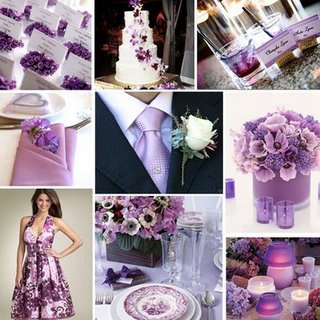
Having specific wedding colors can help provide your big day with a sense of visual unity. Choosing your wedding colors may seem a bit daunting, especially if you aren’t particularly visually oriented or your partner is color-blind and absolutely no help. Never fear! It’s really quite easy.

Most people base their wedding colors on a favorite shade or favorite flower. You’ll want to choose one primary and one or two accents. Start off by seeing if there are any predetermining factors.
  • Does either the reception or ceremony site have strong colors?
  • Are you set on having a particular flower?
  • Have you already chosen your bridesmaid dresses?

If so, you’re halfway to finding your wedding colors! If not, start by thinking about the season when your ceremony will take place. Spring and summer affairs usually include pastels or bright colors. Winter suggests deep purples, burgundies, grey-greens, and silvers. Fall brings harvest tones - oranges, reds, and yellows- to the table. 


What to avoid:
  • Too much black: While sophisticated, it can end up looking like a funeral, rather than a celebration. If you love black, balance it out with a bright color, or lots of crisp white.
  •  Losing your personality: Don’t just do pastels because I've suggested it above. Think about what you wear normally in your clothing and the shades you've used to decorate your home. These are probably colors you are comfortable around already.
  •  Picking too many wedding colors: Two are perfect, and three will still work, but any more than three wedding colors will end up looking hectic and strange. The purposes of wedding colors are to tie everything together, and the best way to do this is to have everything in one or two shades.


If you have a favorite shade, but don’t know what else will go with it, try consulting a simple color wheel. Artists and designers have used this tool for years as a design principle… they’re also pretty fun to look at!
  •  Consider going monochromatic (aka many shades of one color). A bride I worked with used blue for her ceremony by the sea. Each bridesmaid had a different shade of blue for her dress, and the bouquets include irises, lilies, and delphinium, along with several white varieties of flowers.

  • Consider having related tones, ones adjacent to each other on the color wheel. A bride I’m assisting now has green bridesmaid dresses with blue sashes. You might also consider green and yellow, or red, purple and blue.
  •  Consider having complementary shades, located opposite each other on the color wheel. For example, lavender and pale yellow, or forest green and burgundy.
  •  If you really love one hue in particular, you might want to highlight it among neutrals. So, bridesmaid dresses might be cream with purple sashes, groomsmen might wear off-white tuxedos with purple boutonnieres, and bouquets might be stephanotis, white roses, and lavender sweet pea.

Once you have some idea of your wedding colors, everything starts to really fall in place.

Happy color choosing!

Xoxo

Katherine